Groundhogs, often affectionately referred to as woodchucks, are known for their burrowing habits. Recognizing their unique burrow entrance, or “hole,” is more than just a fun nature fact—it can be critical for homeowners and garden enthusiasts to prevent potential damage. Here’s a deep dive into the world of groundhog holes.
The Basics of a Groundhog Hole
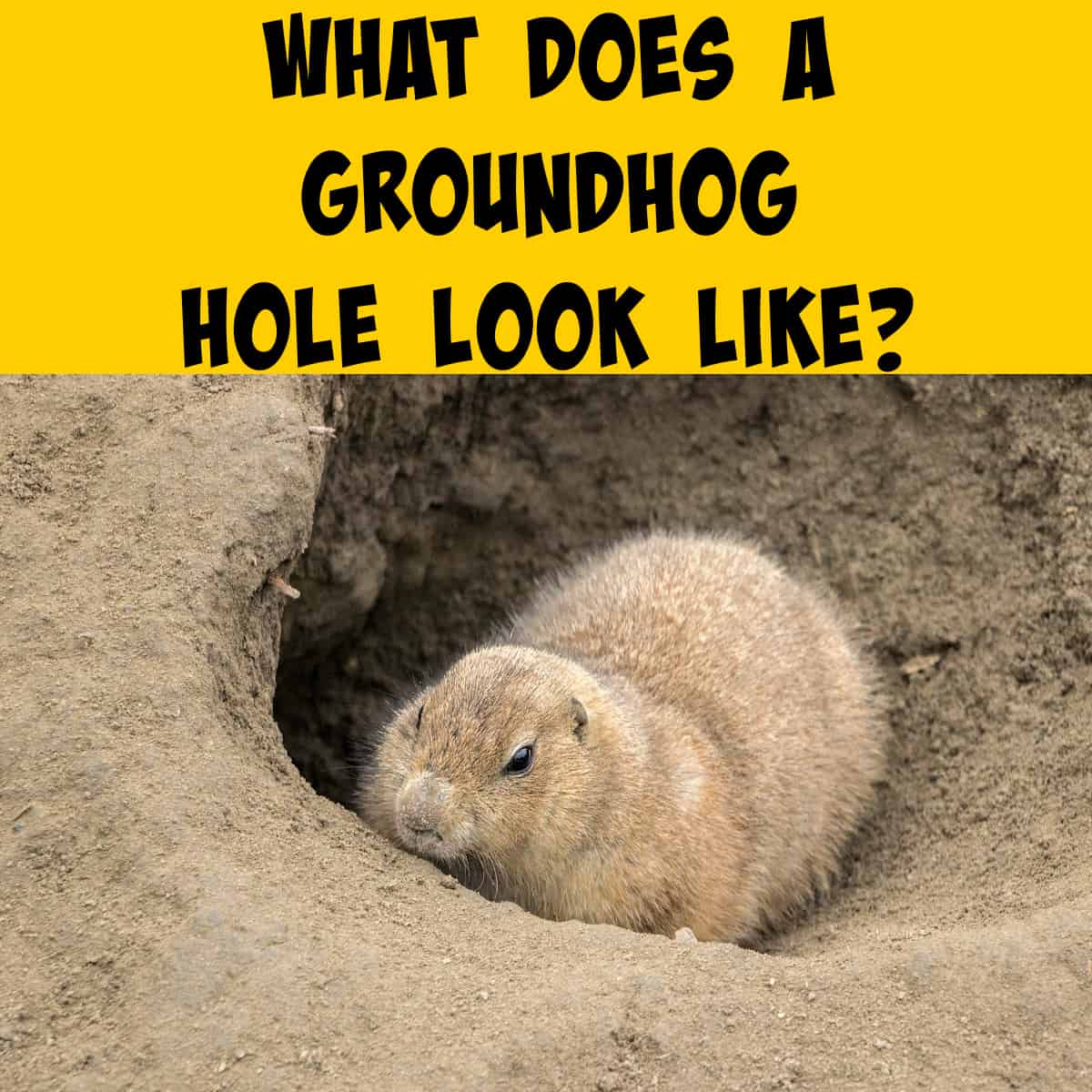
The hallmark of a groundhog hole is its size. A typical entrance can be anywhere from 10 to 12 inches in diameter, spacious enough for the creature to slide in and out comfortably.
Shape-wise, these holes often appear rounded and may have a slight oval tilt. Unlike messy diggings of some other animals, groundhogs dig relatively neat and symmetrical holes.
Groundhogs are not very picky about where they dig, but they have preferences. They lean towards spots that offer a bit of concealment like fields, alongside tree lines, or near bushes. They also might choose spots that get a good amount of sun.
Structure and Layout
Peeking into the hole, you’d find it’s not just a simple tunnel. Groundhogs design their burrows with purpose. The main entrance is the one they’ll frequently use, and it usually has a mound of dug-out dirt around it.
However, safety is paramount for these critters. Groundhogs often have secondary tunnels that act as escape routes in case of predators. These escape tunnels might not be as evident as the main entrance because they lack the soil mound.
Inside, the burrow is a series of chambers and tunnels. Chambers might be used for sleeping, raising young, or even storing food. The depth and complexity can vary, but many burrows stretch 20 to 25 feet long and can be 2 to 5 feet deep.
Signs That It’s Active
If you’re trying to determine whether a groundhog hole is currently in use, look for these clues. Freshly dug soil or little mounds indicates recent activity. Groundhogs, unlike some burrowers, often leave excavated soil at their entrances.
Near the hole, you might spot footprints. Groundhog tracks have five toes on their front feet and five on their back, though the back footprints are more pronounced due to their walking style.
Partially eaten plants or a small path of flattened grass leading to the hole can also hint at an active resident. Groundhogs love to nibble on greens, and their consistent back-and-forth can create a noticeable path.
Comparison to Other Animal Holes
It’s essential to differentiate between groundhog holes and those made by other animals. Rabbit holes, for instance, are generally smaller and might be located closer to bushes. Moles create tunnels too, but they often leave a series of raised mounds or “molehills” in their wake.
It is easy to tell a groundhog hole from a gopher hole as gopher holes have non-symmetrical dirt mounds outside the entrance.
Voles, on the other hand, create very tiny holes and often have a network of runways on the grass surface. When you see a groundhog hole’s size and the mound of dirt around its main entrance, it’s a standout feature.
The Potential Impact on Property
While groundhogs are a fascinating part of nature, their burrowing habits can pose problems. For homeowners, the extensive tunneling can disrupt lawns, leading to uneven ground or dead patches of grass.
More seriously, if a groundhog decides to burrow near the foundation of a building or a structure like a deck, it could undermine its stability. The holes and tunnels can also be tripping hazards for humans and animals alike.
Farmers aren’t fans either. Groundhogs can nibble on crops and their burrows can disrupt agricultural machinery, posing both an economic and safety threat.
Closing Thoughts
Groundhogs, with their intricate burrowing ways, play a role in the ecosystem by aerating the soil and providing homes for other animals once they abandon a burrow. However, it’s crucial for property owners to be aware of their presence and take necessary precautions. If you discover a hole on your property, identifying it correctly is the first step in managing our coexistence with these furry diggers.
