Gophers, small burrowing rodents found mostly in North America, play a significant role in the environment by helping aerate the soil. Understanding gopher holes can be vital, especially if you’re a homeowner, gardener, or just curious about wildlife.
Knowing what to look for can save your garden from damage and prevent potential accidents from stepping into their burrows. So, if you want to know what a gopher hole looks like then keep reading!
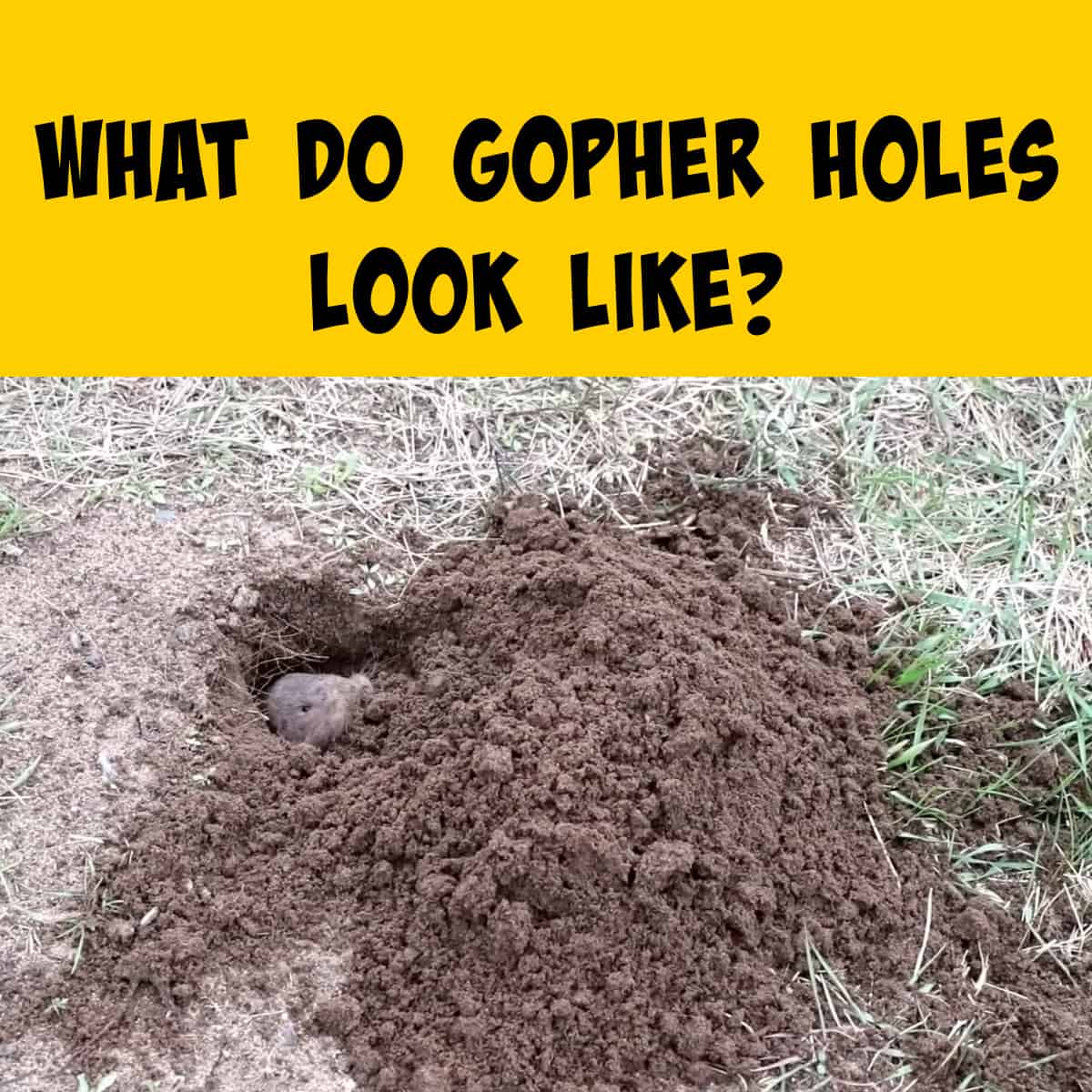
Basic Characteristics of Gopher Holes
Size and dimensions: Gopher holes are distinct and are typically about 2.5 to 3.5 inches in diameter. Just like humans, gophers come in different sizes, and this can influence the size of the holes they dig. The depth varies, but the entrance usually leads to a series of tunnels below.
Shape: One of the standout features of a gopher hole is the shape of the dirt mounds they leave behind. These mounds often appear crescent or horseshoe-shaped. Additionally, gophers tend to seal off their main tunnels with a plug made of soil to protect themselves from predators and to maintain the environment inside the burrow.
Soil Mounds: These mounds of freshly dug soil are often the most noticeable sign of gopher activity. The soil is usually fine and clod-free, making it different from the rougher mounds you might see with moles. While the mound is evident, the entrance hole leading into their tunnels isn’t usually visible because of the plug mentioned earlier.
Gopher Digging in Action!
Here is a wonderful video that shows a gopher digging a hole.
You can see that the horseshoe shape of the dirt mound is created by the gopher throwing dirt out of the hole with his back legs in one direction. Once the pile of discarded dirt gets too large the gopher pushes the pile backward which makes crescent shaped rings.
It is amazing to see how much dirt a gopher can excavate in such a short period of time!
Understanding the Gopher Tunnel System
Depth and extent of gopher burrows: Gophers are industrious creatures, and their tunnel systems are proof of that. While the surface hole might appear simple, below it lies a complex network of tunnels. These tunnels can be quite shallow, just a few inches below the surface, or go deeper for their nesting areas.
Functional chambers: Within this maze of tunnels, gophers have specific areas designated for various purposes. There are nesting chambers, where they rest and raise their young. They also have storage chambers, where they keep their food, typically plant roots and tubers.
Tunnels as a system: For gophers, these tunnels aren’t just a place to stay; they are a lifeline. They provide protection from predators, allow them to access food sources without exposing themselves, and act as a way to communicate with other gophers.
Comparing Gopher Holes to Other Burrowing Animals
Moles: At first glance, molehills might be confused with gopher holes. But, molehills usually have a more rounded or volcano-like appearance, and the soil is often chunkier. Moles create these tunnels primarily in search of insects, not plants.
Voles: Voles, another type of rodent, tend to create runways on the surface, visible as paths through grass or vegetation. They do dig burrows, but these are usually less intricate than those of gophers.
Ground squirrels: Ground squirrels dig burrows too, but their entrances are typically larger and more round than the crescent shape of gopher mounds. These burrows are often easy to spot, with no mound of soil at the entrance.
Signs of Active vs. Abandoned Gopher Holes
Fresh soil: An active gopher hole will often have fresh, loose soil around its entrance or mound. If you notice that the soil remains undisturbed for a while, the gopher might have moved to a different area or the burrow could be abandoned.
Gopher tracks: Sometimes, you might spot tiny gopher footprints around an active hole. These can be faint but can indicate recent activity.
Vegetation recovery: Over time, if you see grass or plants starting to grow back around a mound, it’s a sign that the gopher hole might be abandoned.
Impacts of Gopher Holes
Garden damage: For gardeners, gophers can be a headache. They often feed on plant roots, causing noticeable damage to crops and ornamental plants.
Infrastructure threats: Their burrowing can undermine the ground, posing risks to sidewalks, driveways, and even building foundations if left unchecked.
Safety concerns: People can trip or twist their ankles in gopher holes, especially if they are hidden in tall grass, making them a safety hazard in yards and fields.
Management and Mitigation
Discouraging gophers: There are humane ways to deter gophers, like using plants they dislike or installing barriers in gardens.
Repairing holes: It’s essential to fill gopher holes properly to prevent accidents. Using a mix of soil and gravel can be effective.
Protection measures: For those who want to safeguard their gardens, using raised beds or underground mesh can prevent gophers from accessing plant roots.
Conclusion
Recognizing and understanding gopher holes is about more than just a curious exploration of nature. It’s about coexisting with wildlife and acknowledging their roles while ensuring our gardens thrive and our environments remain safe.
The next time you spot a horseshoe-shaped mound in your backyard, you’ll know just a bit more about the creature that made it!
