If you’ve ever been mesmerized by the sight of a groundhog poking its head out of a hole, you might have asked yourself, “What’s going on down there?” Well, you’re in for a treat! Welcome to your one-stop-shop for all things groundhog burrows.
Our guide, “Groundhog Burrows: Everything You Ever Wanted to Know!” will cover everything from the structure and purpose of these fascinating homes to their surprising inhabitants. So buckle up, because we’re going underground!
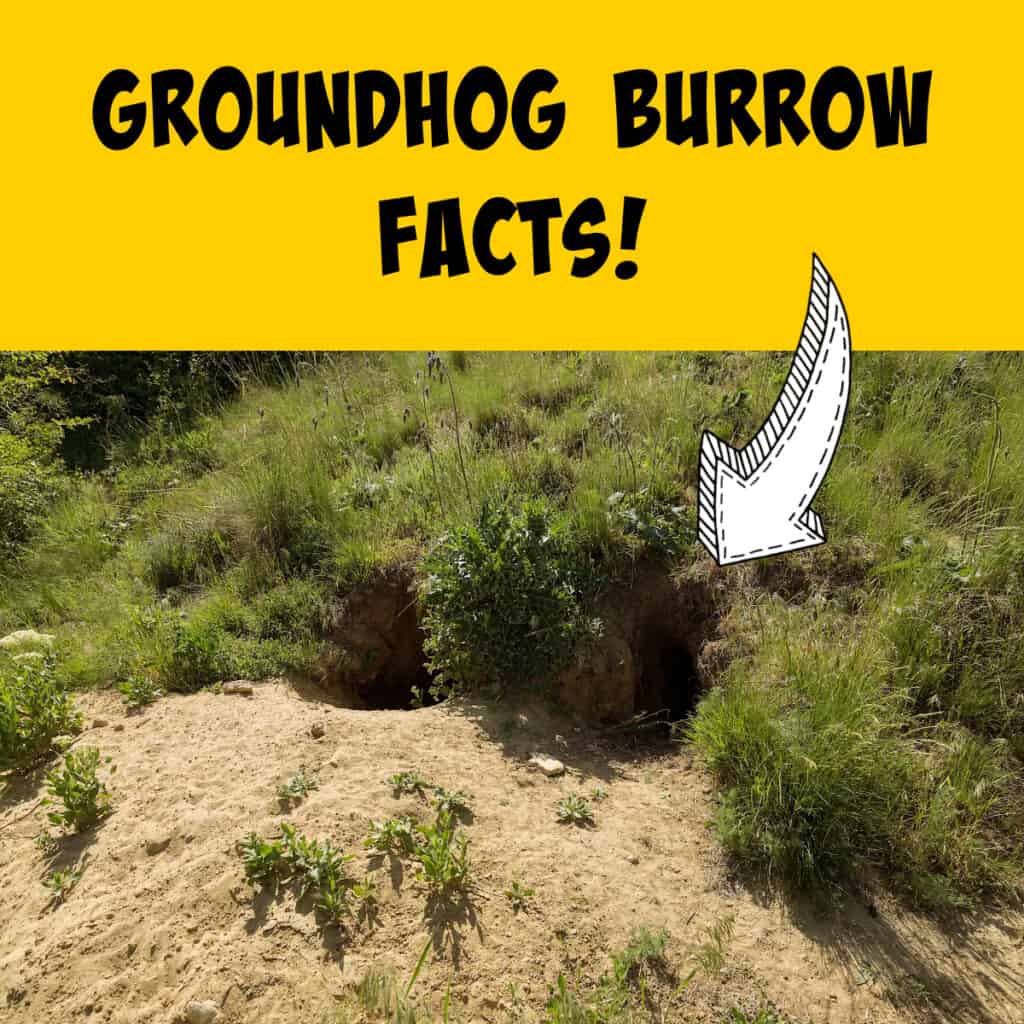
Groundhog Burrows: The Ultimate Guide!
Groundhog burrows are more than just holes in the ground. They’re intricate, multifaceted homes built for survival and comfort. So, let’s dive in, shall we?
Did you know that groundhogs are master architects? Their burrows are marvels of natural engineering, with multiple rooms for different purposes.
The Main Burrow
At the heart of the burrow, you’ll find the main living chamber. This is where the groundhog eats, sleeps, and hibernates during the winter.
Nursery Chamber
Females dig special nursery chambers for their pups. They take extra care to line these rooms with soft grass, making them comfortable and cozy for their newborns.
The Bathroom
Yes, you read that right! Groundhogs are exceptionally clean creatures and designate specific areas of their burrows for waste disposal.
Multiple Exits
A smart groundhog always has an escape plan. That’s why a typical burrow has several entrances and exits.
Inside the Burrow: The Physical Arrangement of Groundhog Homes
There’s an entire world beneath the surface in a groundhog burrow. Let’s take a closer look at the fascinating physical arrangement inside these underground abodes.
Tunnel Diameter and Room Size
Ever wonder how roomy a groundhog burrow is? The tunnels typically have a diameter of about 6 inches, just spacious enough for a groundhog to move through comfortably. As for the rooms, they can vary in size but are generally large enough for the groundhog to turn around in with ease.
Distance Between Openings
As we previously mentioned, a groundhog burrow usually has multiple entrances and exits for escape routes. These openings can be anywhere from a few feet to 20 feet apart, depending on the size of the burrow and the terrain.
Design Factors That Prevent Flooding
Groundhogs are shrewd architects and construct their burrows with potential threats in mind, including the risk of flooding. They typically build their burrows on sloped ground to facilitate water runoff. The main nesting chamber is also located higher than the rest of the burrow, reducing the likelihood of it getting flooded. Additionally, they construct drainage tunnels to redirect water away from their living quarters.
The Purpose of Groundhog Burrows
Groundhog burrows are not just homes; they serve various crucial purposes.
Protection from Predators
With a labyrinthine network of tunnels and chambers, groundhog burrows provide an excellent defense against predators.
Shelter from Harsh Weather
Burrows offer a cozy refuge from extreme weather conditions, be it the scorching heat of summer or the frigid cold of winter.
Nurseries for the Young
As previously mentioned, special chambers are reserved for the nurturing of young groundhogs.
The Co-Inhabitants of Groundhog Burrows
Groundhog burrows don’t just house groundhogs. They also provide homes for a host of other creatures!
The Opportunistic Fox
Foxes are known to take over abandoned groundhog burrows, turning someone else’s hard work into their luxury condo!
Rabbits and Skunks and Raccoons, Oh My!
These creatures have also been known to move into empty groundhog burrows. Talk about a communal living situation!
The Impact of Groundhog Burrows on the Environment
Groundhog burrows play a significant role in maintaining ecological balance.
Soil Aeration
The digging activity of groundhogs helps to aerate the soil, promoting better plant growth.
Habitat for Other Species
By creating and abandoning burrows, groundhogs indirectly provide homes for many other species, enhancing local biodiversity.
The Hazards of Groundhog Burrows in Agricultural and Farming Operations
While groundhog burrows are marvels of nature, they can pose significant risks in agricultural and farming settings.
Damage to Crops
Groundhogs are voracious eaters. They can cause extensive damage to crops, feasting on a diet that includes beans, peas, carrots, alfalfa, and soybeans, among other things.
Equipment Hazards
The hidden entrances to groundhog burrows can pose a significant risk to farming equipment. Tractors and other machinery can get stuck in these holes, leading to costly repairs and delays in farming operations.
Risk to Livestock
Similarly, livestock can inadvertently step into burrow openings, potentially resulting in injury. This not only affects the well-being of the animals but can also lead to financial losses for farmers.
Erosion and Instability
The extensive digging of groundhogs can contribute to soil erosion, especially on sloped land. Over time, this can lead to instability and even collapse, affecting the structural integrity of farm buildings and roads.
Despite these challenges, it’s important to remember that groundhogs are a crucial part of our ecosystem. Managing their populations and activities in a humane and environmentally-friendly manner is key to minimizing these risks while maintaining biodiversity.
FAQs About Groundhog Burrows
How deep are groundhog burrows?
Groundhog burrows can be up to 5 feet deep and extend 15 to 25 feet horizontally.
Do groundhogs live in burrows all year round?
Yes, groundhogs are true homebodies. They use their burrows all year round for various purposes, including hibernation during the winter.
How long does it take for a groundhog to dig a burrow?
The time it takes for a groundhog to dig a burrow depends on the size of the burrow and the type of soil. However, these industrious creatures can dig about 2 feet per day in good soil.
Do groundhogs share their burrows?
While groundhogs are generally solitary creatures, females will share their burrows with their young until they are ready to go out and dig their own.
Do groundhogs hibernate in their burrows?
Yes, groundhogs hibernate in the deepest parts of their burrows to stay warm and safe during the winter months.
What happens to abandoned groundhog burrows?
Abandoned groundhog burrows often become homes for other wildlife, including rabbits, skunks, and foxes.
Conclusion
And there you have it – “Groundhog Burrows: Everything You Ever Wanted to Know!” From the ingenious architecture to the diverse inhabitants, it’s clear that these burrows are far more than just holes in the ground. They’re bustling hubs of activity and vital contributors to our ecosystem.
So the next time you see a groundhog peeping out from a hole, give a nod of respect to the master architect and its intricate underground world.
