Raccoons are notorious for their sneaky and clever antics, often invading yards and homes in search of food. Many homeowners resort to various repellents to keep these masked bandits at bay. If you are wondering, “Which raccoon repellents actually work?” then this article will help you out.
The truth is that raccoons are too smart and agile for most repellents to work effectively. The only surefire way to stop raccoons is to remove food sources and secure trash bins, making your yard uninviting to these crafty creatures.
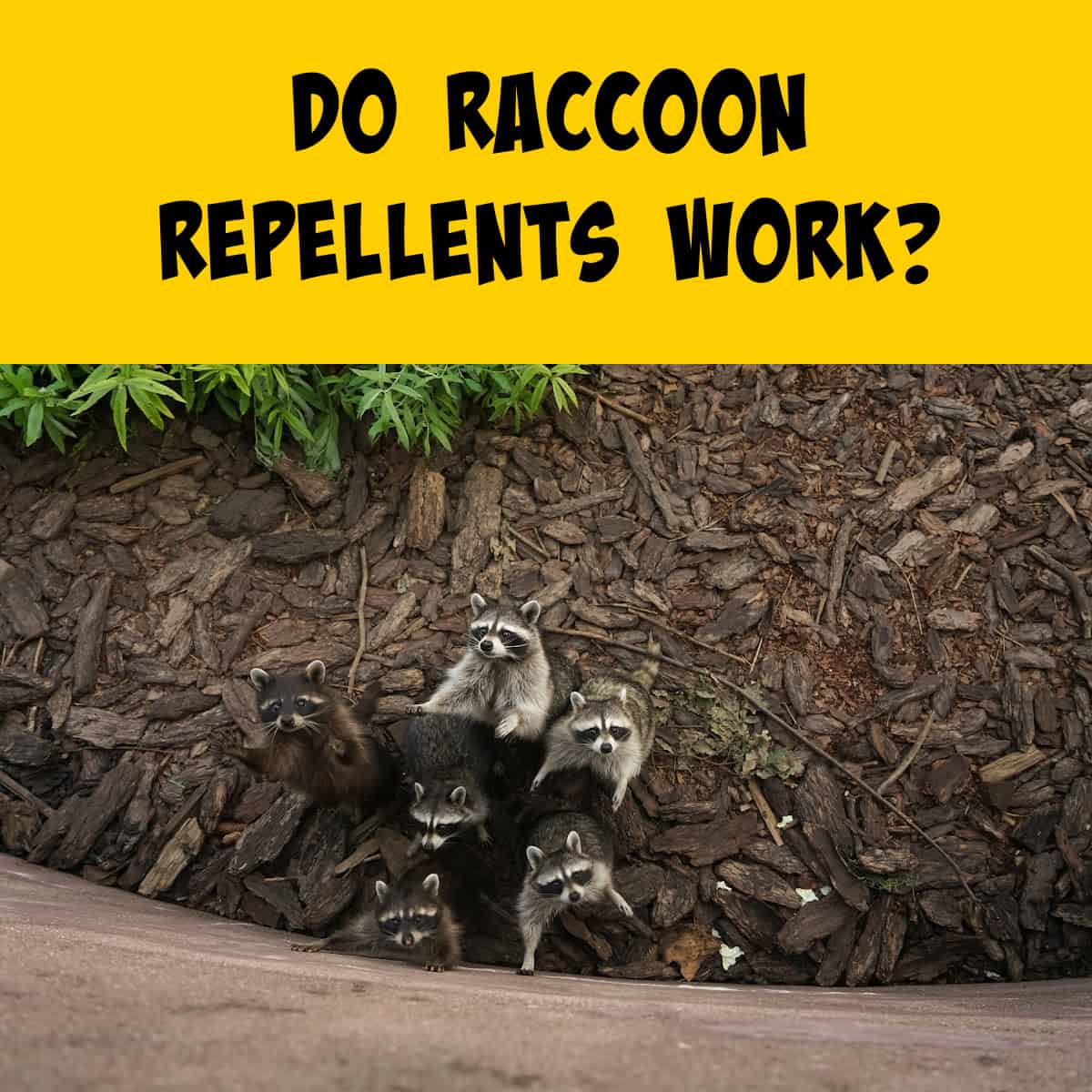
Understanding raccoons is crucial to dealing with them effectively. These nocturnal mammals are highly intelligent and adaptable, making them skilled at finding food and shelter in human habitats. Raccoons are attracted to our homes because they offer easy access to food, water, and shelter.
Unfortunately, their presence can lead to property damage, health risks, and other problems.
Understanding Raccoons
Raccoons are known for their intelligence and adaptability. They have an incredible ability to solve problems and remember solutions, making them skilled at finding food and shelter. Raccoons have been observed opening doors, turning on faucets, and even using tools to access food. Their dexterous paws and sharp claws allow them to manipulate objects with ease, making it difficult to keep them out of trash bins and other areas.
Raccoons are attracted to human habitats because they offer easy access to food, water, and shelter. They are opportunistic feeders, meaning they will eat almost anything, including fruits, vegetables, insects, and small animals.
Raccoons are also known to raid trash bins, bird feeders, and pet food bowls in search of a meal. Their adaptability and resourcefulness make them a common nuisance in urban and suburban areas.
The problems caused by raccoons go beyond their scavenging behavior. Raccoons can cause property damage by tearing up lawns, digging up gardens, and damaging structures. They may also carry diseases such as rabies, leptospirosis, and roundworm, posing a health risk to cats and dogs.
Additionally, raccoons can be aggressive when cornered or protecting their young, making it important to deter them from your property.
Common Raccoon Repellents and Their Effectiveness
There are various types of raccoon repellents available on the market, each claiming to deter raccoons from invading your property. These repellents can be categorized into two main groups: chemical repellents and physical repellents.
Chemical Repellents
- Predator Urine: Some repellents use the urine of predators like coyotes or foxes to scare away raccoons. The idea is that the smell of a predator’s urine will make raccoons think there’s a threat nearby, and they’ll avoid the area. However, these repellents often lose their effectiveness quickly as the smell dissipates or after rain.
- Pepper Sprays: Capsaicin, the active ingredient in hot peppers, is used in some repellents. When raccoons come into contact with capsaicin, it irritates their eyes, nose, and mouth, discouraging them from returning to the area. However, these sprays need to be reapplied frequently, and raccoons may become desensitized to the irritation over time.
- Mothballs: Some people use mothballs to repel groundhogs and raccoons, as the strong smell is believed to deter them. However, mothballs are toxic and can be harmful to pets, children, and the environment. Additionally, their effectiveness in repelling raccoons is questionable.
- Other Chemicals: There are various other chemicals on the market that claim to repel raccoons, such as ammonia or commercial repellents. However, the effectiveness of these products is often inconsistent, and they may pose risks to pets, humans, and the environment.
Physical Repellents
- Motion-Activated Sprinklers: These devices use a sensor to detect movement and then spray water in the direction of the motion. The sudden burst of water can startle and scare away raccoons. While they can be effective, raccoons may learn to avoid the sensor’s range or become accustomed to the water.
- Ultrasonic Devices: Some repellents use high-frequency sound waves to deter raccoons. However, the effectiveness of these devices is highly debated, and they may also disturb pets or other wildlife.
- Flashing Lights: Bright, flashing lights can be used to scare away raccoons, especially when combined with other repellents. However, raccoons may become accustomed to the lights over time.
- Scarecrows or Fake Predators: Some homeowners use scarecrows or fake predators like owls or coyotes to deter raccoons. While these can be effective initially, raccoons may quickly realize they pose no real threat.
Despite the variety of repellents available, their effectiveness is often limited.
Raccoons are highly adaptable and can quickly learn to ignore or overcome physical repellents. Additionally, raccoons are motivated by hunger and will often tolerate unpleasant smells or sensations to access food making chemical type repellents ineffective.
As a result, neither physical or chemical repellents are not a reliable or long-term solution for raccoon problems.
Challenges of Using Physical Barriers to Keep Raccoons Away
Physical barriers, such as fencing, are often considered as a potential solution to keep raccoons out of yards and gardens. However, while they may seem like a straightforward approach, there are several challenges associated with using physical barriers to deter raccoons.
- Raccoons Are Excellent Climbers: One of the main challenges of using fencing to keep raccoons away is that these animals are skilled climbers. They can easily scale most fences, especially if they have a rough surface or horizontal slats that provide footholds. Even smooth, tall fences may not be enough to deter a determined raccoon.
- Raccoons Can Dig: In addition to climbing, raccoons are also known to dig under fences to gain access to a yard. This behavior makes it difficult to create a truly raccoon-proof barrier. To prevent digging, the fence would need to extend several inches below the ground, which may not be feasible in all situations.
- Raccoons Are Intelligent Problem Solvers: Raccoons are known for their intelligence and problem-solving abilities. They can quickly learn to overcome obstacles, including physical barriers. Raccoons have been observed unlatching gates, moving objects to create makeshift ladders, or finding other creative ways to bypass fences.
- Cost and Aesthetics: Installing a raccoon-proof fence can be expensive, especially if it needs to be tall, smooth, and extend below the ground. Additionally, such a fence may not be aesthetically pleasing and could detract from the appearance of a yard or garden.
- Maintenance: Fences and other physical barriers require regular maintenance to remain effective. Over time, weather, wear and tear, or damage from other animals can create gaps or weak points in the barrier that raccoons can exploit.
In conclusion, while physical barriers like fencing may seem like a simple solution to keep raccoons away, they come with several challenges. Raccoons are skilled climbers, diggers, and problem solvers, making it difficult to create a truly raccoon-proof barrier. Additionally, the cost, aesthetics and maintenance requirements make fencing a less-than-ideal solution for deterring raccoons.
Instead, focusing on removing food sources and securing trash bins is a more effective and sustainable approach to keeping raccoons at bay.
The Real Solution: Making Your Yard Uninviting
The most effective way to deter raccoons is to remove food sources and secure trash bins. By making your yard uninviting, you can discourage raccoons from visiting your property. Start by securing trash bins with locking lids or placing them in a secure area. Bungee cords can also be used to keep lids in place and prevent raccoons from accessing the contents.
Other measures to make your yard uninviting include cleaning up pet food, securing compost bins, and removing fallen fruits. Raccoons are opportunistic feeders and will eat almost anything, so it’s important to remove any potential food sources.
For a short term fix, while the raccoons are learning there isn’t any food in your yard, you could consider installing motion-activated sprinklers or lights to scare away raccoons. Don’t think of these as a permanent solution but rather as part of a training package. If you continue to let food remain available the raccoons will start ignoring he motion activated systems within a few days.
Preventing future raccoon problems requires a proactive approach. Regular yard maintenance, sealing entry points to your home, and educating neighbors about raccoon-proofing their properties are all important steps. By working together, we can create a community that is less inviting to raccoons and reduce the problems associated with these clever creatures.
Conclusion
In conclusion, raccoons are too smart and agile for repellents to work effectively. The only surefire way to stop raccoons is to remove food sources and secure trash bins, making your yard uninviting to these crafty creatures.
By taking a proactive approach to raccoon prevention, we can reduce the problems associated with these intelligent and adaptable mammals.
