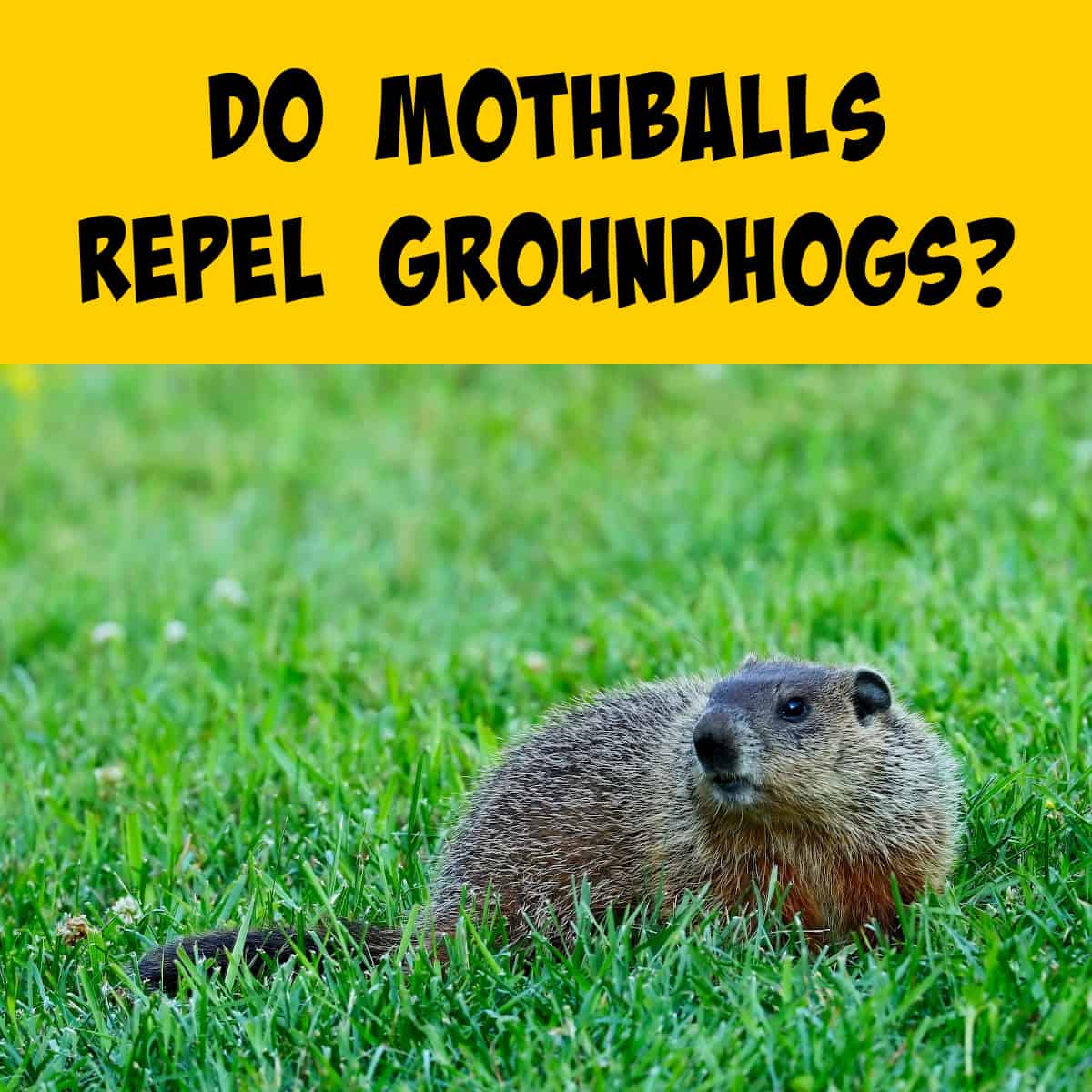
Imagine this: You’ve put in hours of hard work into your garden, only to find it disrupted by a cute but pesky groundhog. Groundhogs, also known as woodchucks, are medium-sized rodents that can cause significant damage to gardens, landscapes, and even the foundations of buildings.
Some people believe that a common household item, mothballs, might be the key to keeping these critters at bay. But, is it true?
Quick Answer: “Mothballs are not an effective means to repel groundhogs.”
What Are Mothballs?
Mothballs are small, white balls commonly used to protect clothes from moths and other insects. They give off a strong smell which is intended to deter pests. Inside these balls are chemicals, primarily naphthalene or paradichlorobenzene. The main aim? Keeping those pesky insects away from our precious fabrics.
However, while these chemicals are effective against moths, they’re not without their downsides. When used improperly, they can pose risks. Inhaling their fumes can be harmful to humans and pets. They can also damage certain materials, turning them yellow or even causing them to deteriorate.
Why Some People Believe Mothballs Deter Groundhogs
Word of mouth is powerful. Over time, stories have circulated that the strong odor of mothballs could deter groundhogs. It’s not a far stretch to believe; after all, if the smell keeps moths away, why not groundhogs?
This idea is rooted in the thought that groundhogs, being sensitive to certain odors, might avoid areas that have a strong scent. The difference here, however, is understanding the distinction between ‘repelling’ and ‘deterring’. Repelling means the smell actively drives them away, while deterring means it might just make an area less appealing.
Research & Evidence
But what does science say about all this? While there isn’t a massive amount of research specifically on groundhogs and mothballs, a few points emerge. There isn’t conclusive evidence that mothballs effectively deter groundhogs. While they might be put off temporarily by the strong odor, hunger or curiosity often wins out.
Furthermore, when looking at other animals, results are mixed. Some rodents might be put off by the scent, while others seem indifferent. This suggests that using mothballs might not be the surefire solution some hope it to be.
On the flip side, using mothballs outdoors and outside their intended purpose can lead to unintentional consequences. They can dissolve, releasing their chemicals into the environment, which brings us to our next point.
Environmental and Health Concerns
Mothballs are designed for indoor use, primarily in sealed containers. When used outdoors, the chemicals in mothballs can seep into the soil, potentially contaminating it and any water sources nearby. This not only harms the environment but also poses risks to other animals.
Pets, especially dogs with their curious noses, might be attracted to the strong scent of mothballs. If ingested, these can be toxic and lead to severe health issues. Humans, especially children, are also at risk if they come into contact with these chemicals in an unprotected environment.
Moreover, in many places, using mothballs as a pest deterrent is discouraged or even illegal. This is due to the potential harm they can cause when not used for their intended purpose.
Alternative Groundhog Deterrents
There’s good news! There are other, often more effective ways to deter groundhogs. One method is planting certain plants that groundhogs naturally dislike, such as fennel or lavender. These not only keep groundhogs away but also add beauty to your garden.
Physical barriers can also be an effective method. Fences, when installed correctly with part of them below the ground, can prevent groundhogs from entering an area. Another humane method includes trapping and relocating, ensuring the groundhog is not harmed but is moved to a more suitable location.
Best Practices for Using Mothballs (If One Chooses to Use Them)
If you’re set on trying mothballs, take precautions. Always wear gloves when handling them and keep them out of reach of children and pets. Remember, they’re meant for indoor use, so if you’re placing them outside, be sure to monitor them regularly.
Also, be mindful of local laws. Using mothballs in a manner not indicated on the label might be against regulations. And if you decide to dispose of them, make sure you do so in a way that won’t harm the environment.
Conclusion
Mothballs may seem like an easy solution to the groundhog problem, but they come with their share of issues. While there isn’t concrete evidence of their effectiveness against groundhogs, the potential risks they pose to health and the environment make one think twice.
Instead, consider more natural or physical barriers to protect your garden or property from these furry invaders. Remember, being informed is the first step to making the best decision.
