Groundhogs, also known as woodchucks, are curious creatures that are often seen in gardens or fields. They’re mostly known for their burrowing habits and the famous Groundhog Day. But have you ever thought about having one as a pet?
Let’s dive into the world of groundhogs and see what it’s like to have one as a companion.
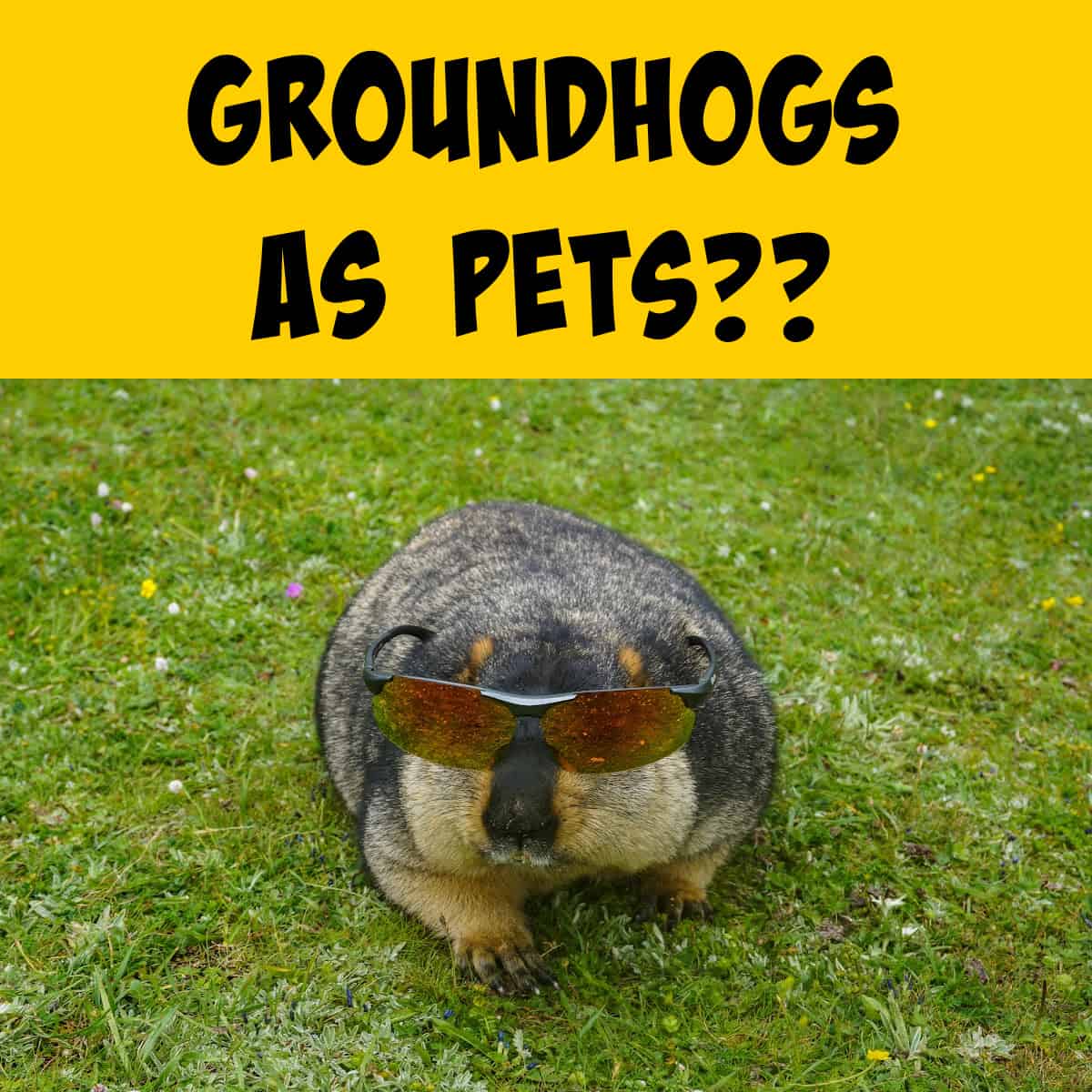
Understanding Groundhogs: A Brief Overview
Groundhogs belong to the rodent family and are close relatives of squirrels. They have a sturdy build, sharp claws for digging, and a coat that varies from grey to brown. In the wild, they’re commonly found in North America, living in open fields, meadows, and along the edges of woodlands.
Their primary activity is digging. Groundhogs create intricate burrow systems where they live, sleep, and hibernate. These burrows can be quite extensive, with multiple entrances and chambers. Observing a groundhog in its natural setting can be quite fascinating, especially when you see how skilled they are at digging.
The Pros of Keeping a Groundhog as a Pet
Let’s take a look at why having a groundhog might be fun 🙂
Unique and Fascinating Companions
Having a groundhog as a pet is not something you hear every day. They have distinct behaviors that can be both entertaining and educational to watch. For instance, their burrowing habits can be a source of endless fascination.
Moreover, groundhogs have a certain charm with their chubby cheeks and curious nature. They can become quite accustomed to their human caregivers, showing signs of recognition and even playing when they feel safe and comfortable.
Educational Value
Groundhogs offer a unique learning experience, especially for kids. They hibernate during the winter, which can be a great way to learn about animal behaviors and adaptation. Watching a groundhog prepare for hibernation, and then emerge in the spring, can be a seasonal lesson in biology.
Additionally, their diet mainly consists of plants, fruits, and occasionally insects. Observing what they eat, how they forage, and their eating habits can be an insightful way to understand herbivorous animals.
Low Maintenance During Hibernation
One of the advantages of having a groundhog is that they hibernate. This means that during the winter months, they’ll be in a deep sleep and won’t require daily care like feeding or playing.
However, it’s essential to ensure that their environment remains undisturbed and safe during this period. It’s a time for them to rest and conserve energy, and they won’t need much from you until they wake up in the spring.
The Cons of Keeping a Groundhog as a Pet
Here are some downsides.
Specialized Care Requirements
Groundhogs are not like typical pets. They have specific needs that must be met. For starters, they require a spacious outdoor enclosure that mimics their natural habitat. This means providing them with ample space to dig and burrow.
Their diet is also something to consider. Groundhogs eat a variety of plants, and it’s crucial to provide them with fresh vegetables and fruits. They also need clean water daily. It’s essential to research and understand their dietary needs to keep them healthy.
Potential for Aggressive Behavior
While groundhogs can be friendly, they are still wild animals. This means they can display aggressive behaviors, especially when threatened or scared. It’s essential to approach them with caution and understand their body language.
Moreover, they might not be suitable for households with young children or other pets. Groundhogs can be territorial, and interactions with other animals might lead to conflicts.
Legal Restrictions
Before getting a groundhog, it’s crucial to check local regulations. In many places, keeping wild animals as pets is restricted or even illegal. This is to protect both the animals and the public.
Even if it’s legal in your area, you might need special permits or licenses. It’s always best to be informed and ensure you’re not breaking any laws.
Essential Care Tips for Groundhog Owners
If you do decide to press forward then make sure that you have these bases covered.
Creating a Suitable Habitat
Groundhogs need space, and lots of it. If you’re considering keeping one, ensure you have a large outdoor area for them. This space should allow them to dig and burrow freely, as it’s a natural behavior they’ll want to engage in.
The enclosure should be secure to prevent them from escaping and to protect them from potential predators. Providing shelters or hideouts can also make them feel safe and at home.
Diet and Nutrition
Groundhogs are primarily herbivores. This means they eat plants. Fresh vegetables like lettuce, carrots, and celery are good options. Occasionally, they might also munch on fruits or even insects.
It’s essential to provide a balanced diet and avoid giving them processed or unhealthy foods. Fresh water should always be available, and it’s a good idea to consult with a vet or expert about any dietary supplements they might need.
Health and Veterinary Care
Like all pets, groundhogs require regular check-ups. It’s essential to find a vet who has experience with wild or exotic animals. Groundhogs can suffer from various health issues, and early detection can make a difference.
Regularly check your groundhog for signs of illness, like changes in behavior, appetite, or physical appearance. If you notice anything unusual, seek veterinary care immediately.
Ethical Considerations
Keeping a wild animal as a pet is a topic of debate. While groundhogs can adapt to life in captivity, it’s essential to consider if it’s the best option for the animal. Wild animals have instincts and behaviors that might not be fully expressed in a domestic setting.
Moreover, taking animals from the wild can have negative impacts on local ecosystems. If you’re considering getting a groundhog, it’s best to adopt one that’s been rescued or is in need of a home, rather than capturing one from the wild.
Alternatives to Consider
If you love groundhogs but aren’t sure about keeping one as a pet, there are alternatives. Consider supporting wildlife rehabilitation centers. These places care for injured or orphaned wild animals and can always use help.
Another option is to adopt a more traditional pet, like a rabbit or guinea pig. They might have similar care needs and can be just as rewarding companions. Lastly, consider visiting natural habitats where you can observe groundhogs and other wildlife in their natural setting.
