Groundhogs, often spotted in gardens or meadows, are known for their burrowing habits and their role in the famous Groundhog Day tradition. But when it comes to their diet, there’s a lot of curiosity. What exactly do these creatures eat? Are they strictly plant-eaters, or do they occasionally indulge in meat?
Many animals have diets that surprise us, and groundhogs are no exception. While they’re primarily known to munch on greens, there are myths and misconceptions about them consuming meat.
(Quick Answer, “Groundhogs are herbivores that do not eat meat.”)
Let’s delve into the dietary world of groundhogs and uncover the truth.
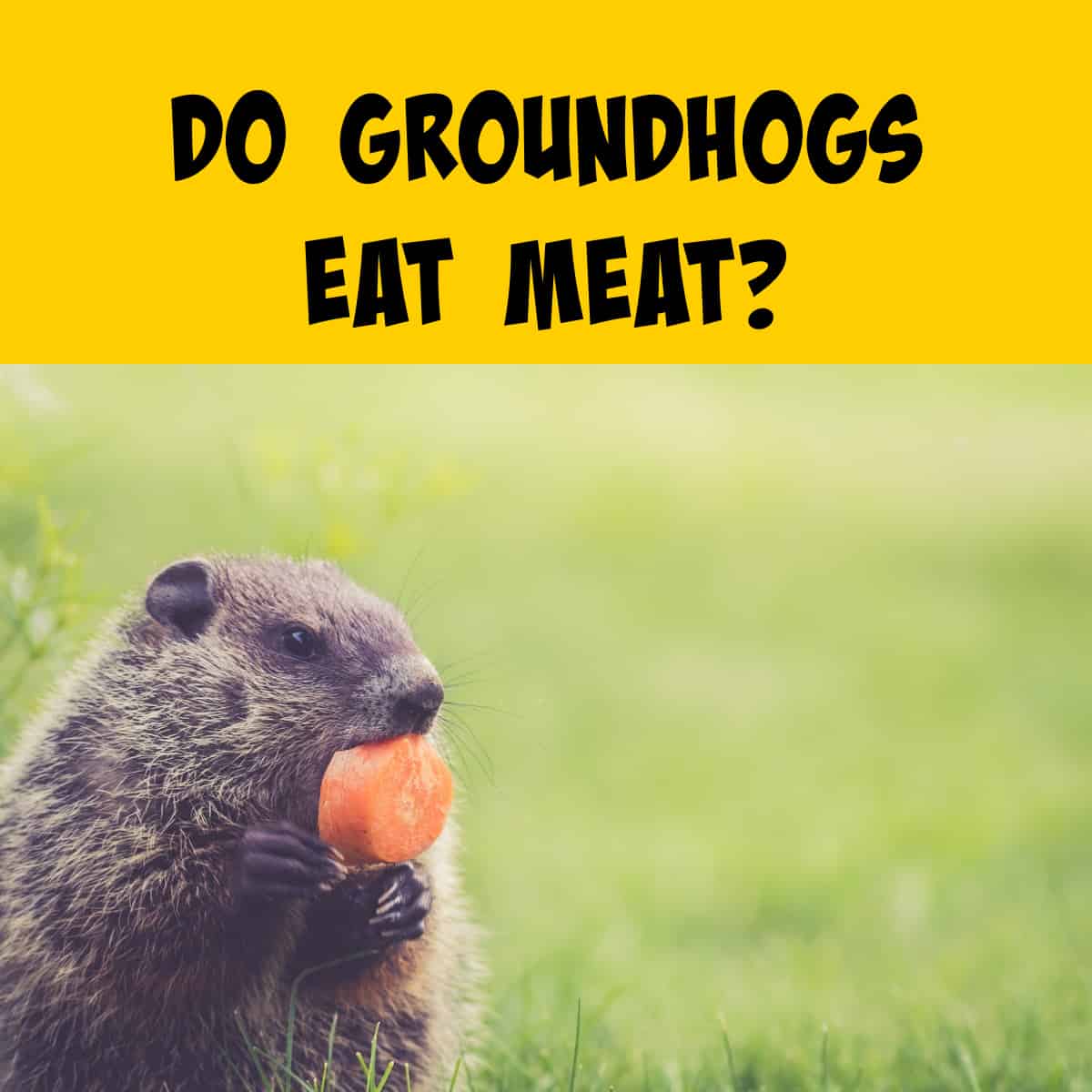
Groundhog Biology and Diet
Groundhogs, like many rodents, have a specific physiology that dictates their diet. Their teeth and digestive systems are primarily designed to process plant material, which forms the bulk of their diet.
Their primary food sources include a variety of plants. From grasses to vegetables, groundhogs have a preference for fresh greens. These not only provide them with essential nutrients but also the hydration they need, especially during warmer months.
Given their herbivorous nature, groundhogs have evolved to extract maximum nutrition from plants. Their digestive systems are adept at breaking down plant fibers, ensuring they get all the energy and nutrients they need to sustain their active lifestyles.
Groundhogs as Herbivores
Groundhogs are, by and large, herbivores. This means they mainly consume plants. If you’ve ever observed a groundhog in the wild or even in your backyard, you’d likely see them munching on grass, leaves, and even garden vegetables.
Their preference for plants is not just a matter of taste but also of survival. Plants provide groundhogs with essential nutrients, vitamins, and minerals. These nutrients support their growth, reproduction, and overall health.
Moreover, a plant-based diet aligns with their lifestyle. Groundhogs need to stay agile to evade predators, and the energy derived from plants supports their active daily routines, from foraging to burrowing.
Instances of Groundhogs Consuming Insects
While groundhogs predominantly eat plants, there have been occasional observations of them consuming small insects. However, it’s essential to differentiate between a primary diet and rare, opportunistic feeding.
The types of insects they might consume include grubs or other soft-bodied insects. These instances are not a regular dietary habit but more of an opportunistic behavior. For example, while digging, a groundhog might come across insects and decide to eat them.
However, it’s crucial to note that such occurrences are rare. Insects do not form a significant or essential part of their diet. Instead, they are more of an incidental snack that a groundhog might or might not choose to eat.
Debunking Myths: Groundhogs and Meat Consumption
There are myths surrounding almost every animal, and groundhogs are no exception. One such myth is that groundhogs are meat-eaters that like to go after chickens. However, this is far from the truth. Their primary diet consists of plants, and they are not adapted to hunt or consume meat.
When comparing the diet of groundhogs to other rodents or mammals, it’s evident that they lean heavily towards herbivory. While some rodents might have a more varied diet, groundhogs have evolved over time to thrive on plants.
Rare observations of groundhogs consuming meat or insects do not define their dietary habits. Such instances are exceptions rather than the rule and should be viewed in the broader context of their overall behavior and biology.
Implications of Diet on Groundhog Behavior and Habitat
A groundhog’s diet has a direct influence on its behavior. For instance, their need to forage for plants often brings them out into the open, making them more visible during the day. This diurnal behavior is closely tied to their dietary habits.
Their preference for certain plants can also influence where they choose to set up their burrows. Proximity to food sources is crucial, so groundhogs often dig their homes near abundant plant supplies.
Understanding this link between diet and behavior can also explain certain seasonal activities. For instance, as winter approaches and plant availability decreases, groundhogs go into hibernation, conserving energy until food becomes plentiful again.
Human and Groundhog Interactions
Given their preference for plants, groundhogs sometimes find themselves in conflict with humans, especially gardeners trying to protect their tomatoes. A groundhog can quickly munch through a vegetable garden, leading to frustrations for those trying to protect their crops.
However, understanding their diet can lead to peaceful coexistence. By providing alternative food sources or using humane deterrents, we can reduce conflicts and ensure that both humans and groundhogs can share the environment harmoniously.
Moreover, recognizing their role in the ecosystem and their dietary needs can lead to more informed decisions about managing groundhog populations, especially in areas where they are abundant.
Conclusion
Groundhogs, with their chubby cheeks and burrowing habits, are fascinating creatures. While they primarily thrive on a plant-based diet, rare instances of insect consumption do occur. However, these are exceptions and not indicative of their general dietary habits. By understanding and respecting their dietary needs, we can better appreciate these animals and their place in our shared environment.
