In the vast tapestry of nature, animals have evolved myriad behaviors to ensure their survival. One such behavior, particularly prevalent in many species, is territoriality.
Have you ever wondered why certain animals, like the groundhog, fiercely protect specific areas? Dive in as we explore whether groundhogs are territorial and what drives this behavior.
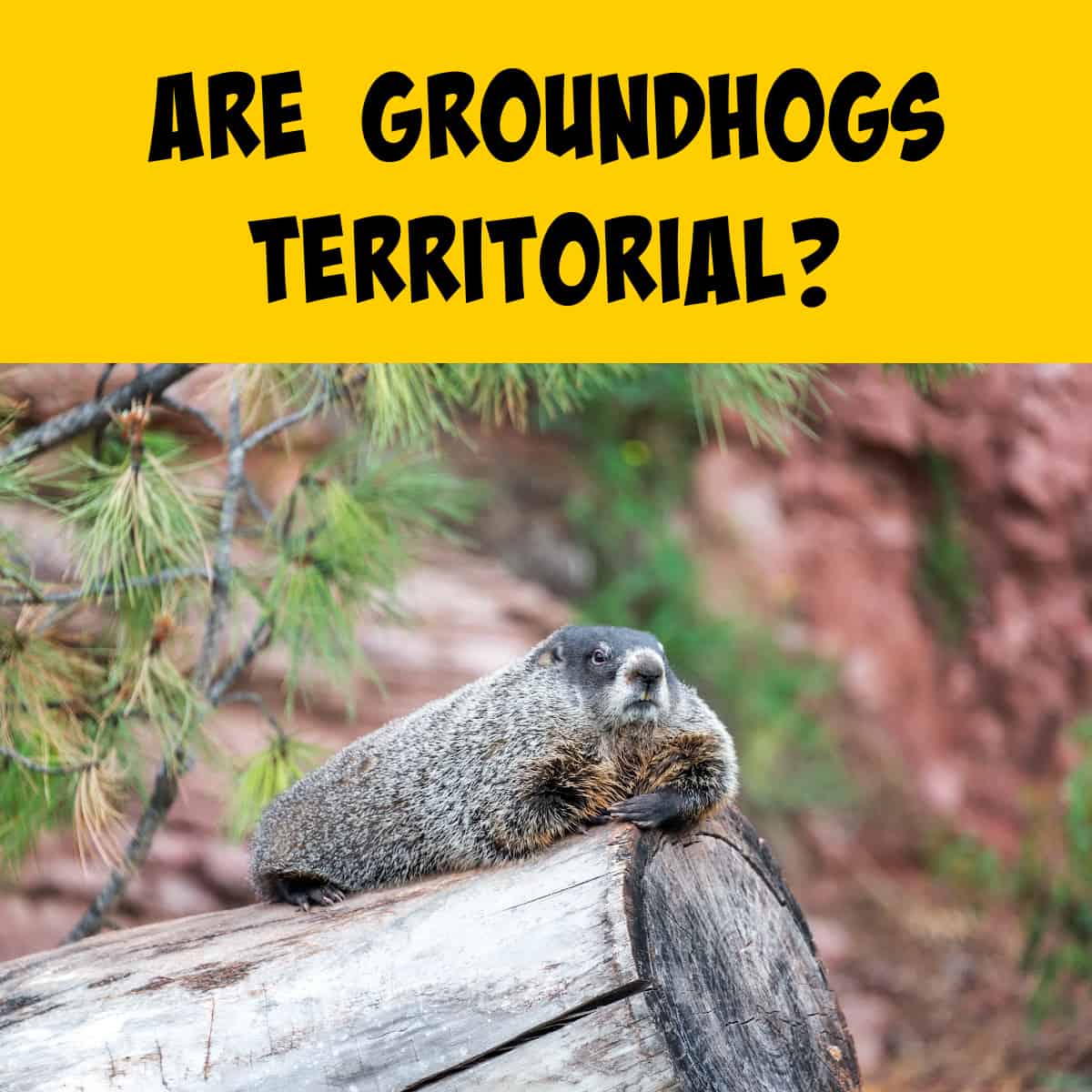
Territoriality in animals is not just about defending a piece of land—it’s about securing food, safety, and future generations. Understanding this can give us deeper insights into why animals act the way they do, especially when it comes to our burrowing friend, the groundhog.
Understanding Territoriality
At its core, territoriality is about staking a claim—a claim to resources, shelter, and safety. When an animal marks its territory, it’s sending a clear message to others: “This is my space, tread with caution.”
This behavior offers numerous advantages. By defending a particular area, animals can have consistent access to food without competition. Additionally, by marking and knowing their territory, they can quickly evade predators or threats.
In the world of mammals, territorial behaviors often play a crucial role in mating rituals. Dominance over a territory can signal strength and viability as a mate, making it an essential aspect of many animals’ lives.
Groundhog Basics
Groundhogs, often known as woodchucks, are medium-sized rodents mostly found in North America. These creatures have a sturdy build, with a dense fur coat, which helps them adapt to various environments, from open fields to the edges of woodlands.
A distinguishing trait of groundhogs is their ability to dig elaborate burrows. These underground homes provide shelter, a place to raise offspring, and protection from predators. Given the importance of these burrows, it’s not surprising that groundhogs might want to defend the area around them.
Living mostly solitary lives, groundhogs spend a lot of their time foraging and maintaining their burrow systems. Their lifestyle inherently necessitates a space free from competition and threats, leading us to wonder about their territorial tendencies.
Signs of Territorial Behavior in Groundhogs
Like many animals, groundhogs have ways to communicate that a particular area is “theirs.” One way they do this is through scent marking. By leaving a unique scent around the perimeter of their territory, they inform other groundhogs about their presence.
But scent isn’t the only tool in their arsenal. Groundhogs can be quite vocal, especially if they feel their territory is under threat. These vocalizations serve as a warning to potential intruders to steer clear.
Lastly, if another groundhog or potential threat comes too close to a burrow, the residing groundhog might display aggressive behavior. This can range from loud vocalizations to physical confrontations, ensuring that their home remains undisturbed.
Mating Season and Territoriality
The drive for territory becomes even more pronounced during the groundhog’s mating season. At this time, males actively seek out females, and having a well-protected, spacious territory can give a male an edge in attracting a mate.
During this season, confrontations between male groundhogs can become more frequent. Each male wants to prove he’s the strongest and most capable, hoping to win the favor of a female.
Once a pair has mated, the male usually returns to his territory, while the female focuses on nurturing her young. This cycle emphasizes the importance of territorial behavior in ensuring the continuation of the species.
Factors Influencing Groundhog Territorial Behavior
Several factors can influence how territorial a groundhog becomes. Primary among these is the availability of food. In areas rich in resources, there might be increased competition, making territoriality more pronounced.
Predation is another crucial factor. In regions where predators are abundant, groundhogs may be more defensive of their spaces to ensure their safety and that of their offspring.
Similarly, if there’s a high population density of groundhogs in an area, territorial disputes can become more common. External elements, like changing weather patterns or human interference, can also play a role in altering territorial behaviors.
How Groundhogs Defend Their Territory
Groundhogs primarily use their strong, sharp claws and teeth to defend their territory. In confrontations, they might stand upright, using their height to appear more imposing to intruders.
Their vocalizations can range from soft whistles to warn off potential threats to more aggressive and louder sounds when faced with immediate danger.
The burrow system itself is a primary line of defense. Its multiple entrances and exits allow for quick escapes, and its depth offers protection against most predators.
Comparing Groundhog Territoriality with Other Animals
In the broader scope of the animal kingdom, many creatures display territorial behavior, from birds singing to mark their domain to big cats using scent glands. Groundhogs, in their own right, share similarities with other rodents, such as beavers, which also mark and defend their territories.
However, groundhogs have a unique blend of vocal, physical, and scent-based territorial markers. Their reliance on burrows and the significant role these structures play in their life sets them apart from many other mammals.
Implications for Human-Groundhog Interactions
As humans expand into more natural habitats, encounters with territorial groundhogs might increase. Recognizing their territorial signs can reduce potential conflicts. For instance, understanding that a chirping groundhog might feel threatened can prompt us to give it space.
Homeowners or farmers might sometimes view groundhogs as pests, especially if they dig burrows in unwanted areas. In such cases, understanding their behavior can help in finding humane solutions to relocate them or deter them from certain areas.
In the end, coexistence comes from understanding and respect. Recognizing the territorial needs of groundhogs can go a long way in ensuring peaceful interactions.
Conclusion
Groundhogs, with their burrowing habits and solitary lifestyles, undeniably showcase territorial behaviors. These behaviors are crucial for their survival, mating, and overall well-being. As we encroach upon their natural habitats, understanding these behaviors can ensure harmony between humans and these fascinating creatures.
