Groundhogs are a common sight in North America, particularly during their active months. Often characterized in popular culture as gentle hibernators, they can elicit a range of reactions from property owners.
While they might be intriguing creatures, the question arises: are they detrimental to your property?
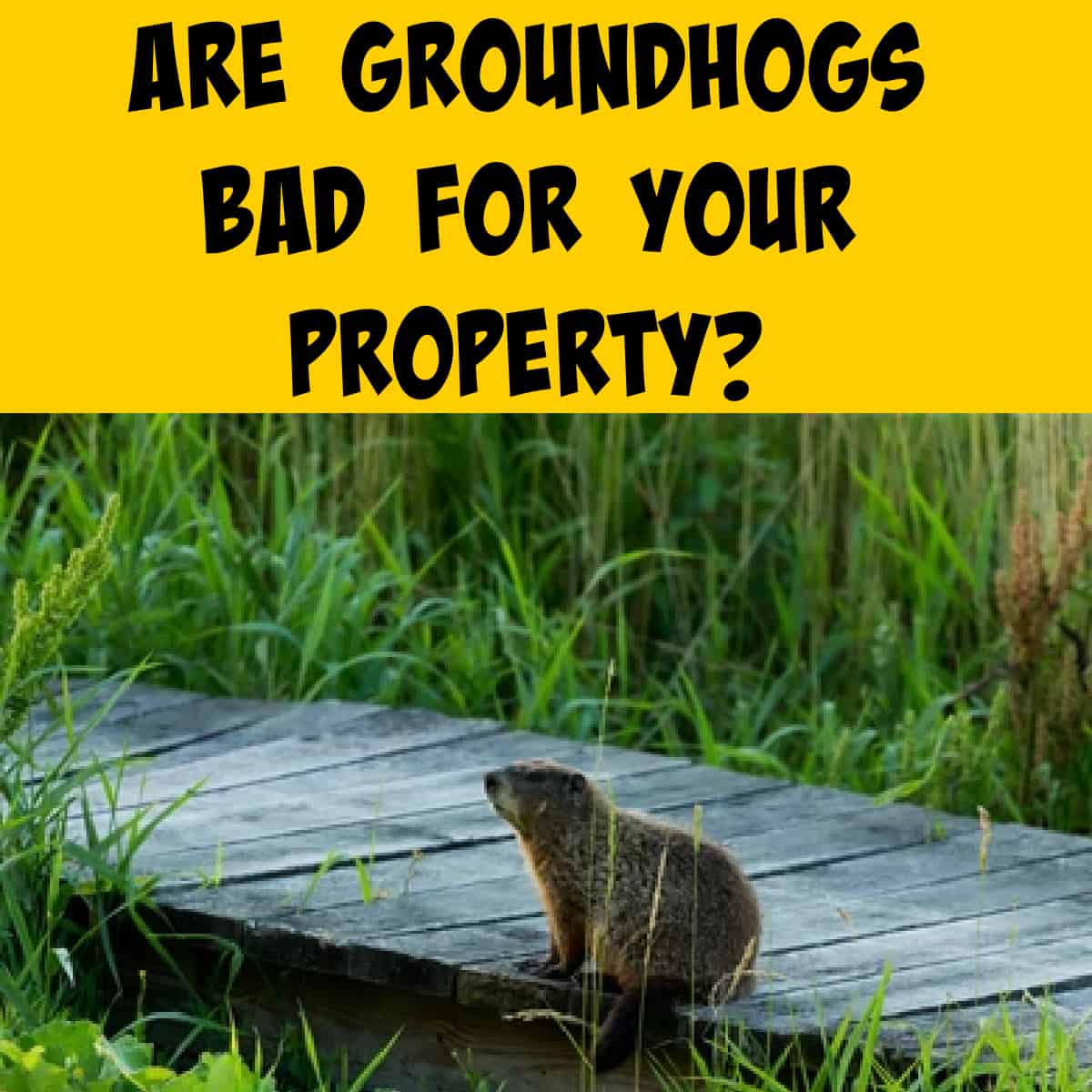
Groundhog Behavior and Habitat
Groundhogs belong to the squirrel family and are primarily herbivores. They thrive in open spaces like fields, clearing forests, and yes, even spacious backyards. These creatures have a penchant for sunbathing during warm days, but they’re most known for their digging prowess.
Their burrowing habits serve multiple purposes. These tunnels, which can be as deep as 5 feet and span 30 feet, act as hiding spots from predators, resting places, and hibernation chambers during the chilly winter months. When groundhogs aren’t digging, they’re likely foraging, feeding mainly on wild grasses, berries, and other plants.
Groundhogs are solitary animals for most of the year, with the exception of the early summer mating season. After a gestation period, a litter of kits is born, further expanding the presence of these critters on a property.
Impact on Residential Property
For homeowners, a groundhog’s burrowing habits can be a real concern. Their extensive tunnel systems can weaken the ground, leading to collapses, especially near foundational structures. Over time, this can compromise the stability of sheds, patios, or even parts of a home.
Besides structural concerns, groundhog burrows can wreak havoc in manicured gardens and lawns. The burrows can disrupt root systems, killing off plants. Moreover, groundhogs won’t shy away from feasting on your carefully cultivated tomatoes and flowers, often causing significant damage.
But it’s not just the flora that’s at risk. Their burrows can be tripping hazards for unwary walkers, potentially leading to sprained ankles or worse. Furthermore, groundhogs might inadvertently attract larger predators to an area, predators that could be a threat to household pets.
Impact on Commercial Property
Farmers, in particular, might have more reasons to be wary of groundhogs. A large population of these animals can result in substantial crop losses. Groundhogs love munching on fresh soybeans, which can directly impact a farmer’s yield. One source has estimated that a family of groundhogs could consume a quarter acre of soybeans per season.
For those involved in livestock farming, groundhog burrows can be hazardous. Animals like cows or horses can trip in these holes, leading to injuries. And while groundhogs aren’t typically carriers of diseases harmful to livestock, their presence might attract other wildlife that is.
Lastly, the wheels of various farming equipment (tractors, wagons, mowers) can get caught in a groundhog hole and cause damage to the tire and axel.
Positive Aspects of Groundhogs on Property
While the narrative seems negative, groundhogs aren’t all bad news. Their diet includes various insects and larvae that might otherwise damage plants. Essentially, they can act as a form of natural pest control.
Additionally, their burrowing can inadvertently aid in soil aeration, promoting the health of the ground. This activity can benefit plant roots by providing better access to air, albeit alongside some disruption.
Moreover, a groundhog’s burrow might provide refuge for other creatures, like foxes or rabbits. These tenants can further contribute to the control of pests around a property, suggesting a potential ecosystem balance.
Preventive and Control Measures
If groundhogs are becoming a nuisance, several humane solutions can help. Installing fencing, especially those that extend a foot or two underground, can deter groundhogs from entering an area. Natural repellents, like the scent of predators or specific plants, can also keep them at bay.
Relocating groundhogs is another option, though it’s essential to ensure they’re moved to a suitable habitat. It’s always recommended to seek professional guidance or services in such cases, as inappropriate relocations can be harmful to the animal.
For those who feel out of their depth, professional wildlife control services can offer efficient and humane solutions. They possess the expertise to address groundhog problems without causing undue harm to the creatures.
Conclusion
Groundhogs, like all creatures, play a role in our ecosystem. While they might present challenges for property owners, understanding their behavior and adopting humane control measures can lead to a harmonious coexistence. With the right knowledge and tools, it’s possible to appreciate the unique charm of groundhogs while safeguarding our properties.
