Groundhogs are fascinating creatures known for their burrowing habits and weather-predicting abilities. They are part of the rodent family, and they are also called woodchucks or whistle-pigs. But how long do groundhogs live?
In this article, we will explore the lifespan of groundhogs, the factors that affect their longevity, and their natural predators.
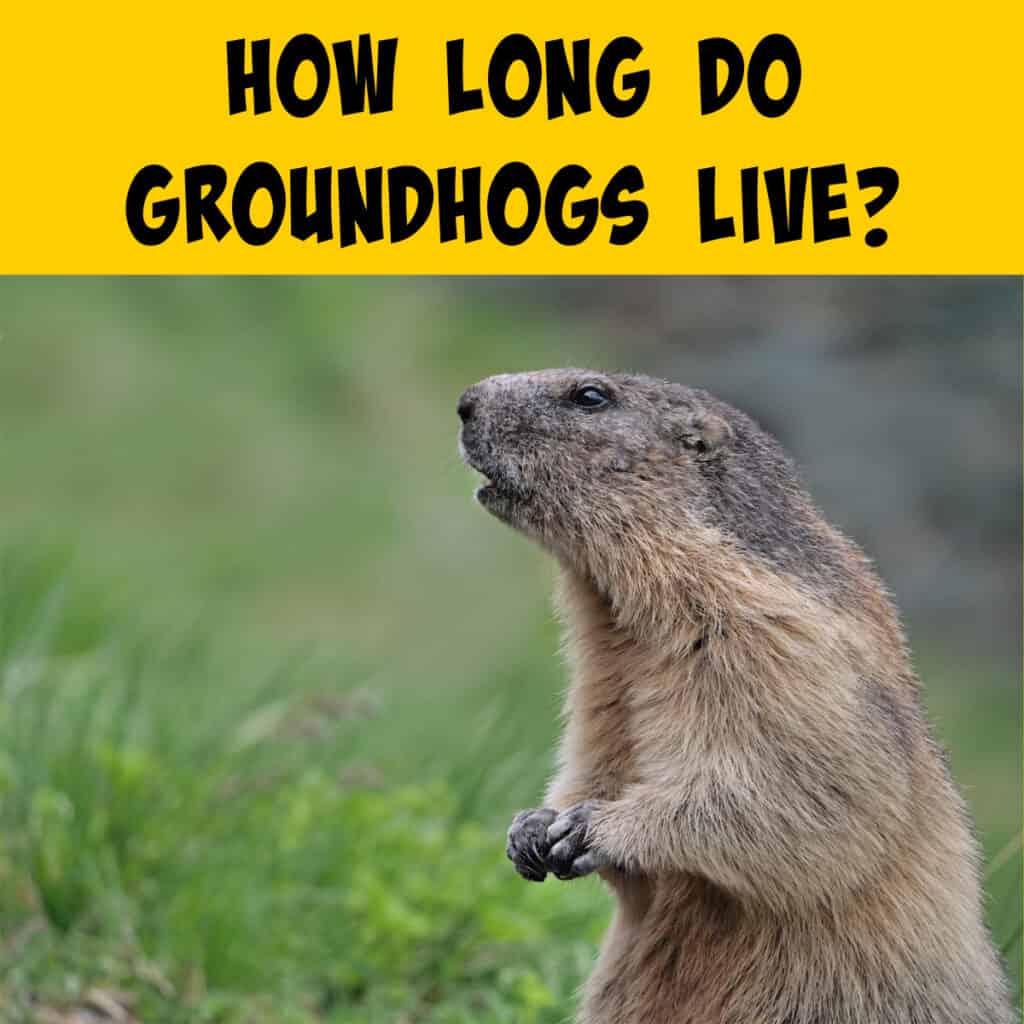
How long do groundhogs live?
Groundhogs have a lifespan of 6 to 8 years in the wild, and up to 14 years in captivity. However, their lifespan can be affected by various factors such as habitat, food availability, predation, and disease.
Factors that affect groundhogs’ lifespan
- Habitat: Groundhogs that live in urban or suburban areas have a shorter lifespan than those in rural areas because of the higher risk of being hit by cars and other human-related activities.
- Food availability: Groundhogs that have access to a diverse range of food sources are likely to live longer than those with limited options.
- Predation: Groundhogs have several natural predators such as coyotes, foxes, hawks, and owls. Those that live in areas with fewer predators are more likely to live longer.
- Disease: Groundhogs can contract various diseases that can affect their lifespan, such as tularemia, leptospirosis, and rabies.
Hibernation Considerations
Groundhogs are known for their ability to hibernate during the winter months. During this time, they slow down their metabolism and body temperature, conserving energy and surviving on stored body fat. Hibernation is crucial for groundhogs to survive the harsh winter months, and it can also affect their lifespan.
The length of hibernation can vary depending on the location and climate. Groundhogs in colder regions tend to hibernate for longer periods, up to 6 months, while those in warmer regions may only hibernate for a few weeks. The duration of hibernation can affect their overall lifespan, as the longer they hibernate, the less time they have to live and reproduce.
Furthermore, hibernation can also impact the health of groundhogs. If they do not have enough body fat stored before hibernation, they may not survive the winter. Additionally, groundhogs that are unable to enter hibernation due to illness or injury may also have a shorter lifespan.
Cold weather can also impact the lifespan of groundhogs in other ways. During the winter months, food sources become scarce, and groundhogs may have to travel further from their burrows to find food. This can increase their risk of predation and exposure to harsh weather conditions, further affecting their lifespan.
Identifying the age of groundhogs
It can be challenging to identify the age of a groundhog accurately, but some signs can give you a clue:
- Teeth: Groundhogs’ teeth grow throughout their lives, and their wear can indicate their age. Younger groundhogs have whiter teeth, while older ones have more yellow and worn teeth.
- Size: Young groundhogs are smaller and slimmer, while older ones are larger and heavier.
- Behavior: Young groundhogs are more curious and active, while older ones tend to be less active and spend more time in their burrows.
The life stages of a groundhog
Groundhogs go through different life stages, each with its unique characteristics.
Juvenile stage
The juvenile stage lasts from birth to one year old. During this stage, groundhogs are entirely dependent on their mothers for food and protection. They also start to explore their surroundings and learn essential survival skills.
Sub-adult stage
The sub-adult stage lasts from one to two years old. During this stage, groundhogs become more independent and start to develop their burrowing skills. They also start to establish their territories and social hierarchies.
Adult stage
The adult stage lasts from two to eight years old. During this stage, groundhogs are fully grown and sexually mature. They spend most of their time in their burrows, coming out to forage for food and mate.
Senior stage
The senior stage lasts from eight years old and above. During this stage, groundhogs’ health and energy decline, and they become more vulnerable to predators and disease.
Natural predators of groundhogs
Groundhogs have several natural predators and their local population has a large impact of the groundhog survival rate.
- Coyotes and Foxes: Coyotes and foxes are two of the most significant predators of groundhogs. They are agile and can catch groundhogs in their burrows or chase them down in open areas. They are particularly active during the night, making it challenging for groundhogs to evade them.
- Hawks and owls: These birds of prey are skilled hunters and can swoop down on groundhogs from the air. They have sharp talons that can easily grab and kill groundhogs.
