Groundhogs, also known as woodchucks, are common and curious creatures native to North America. While many people are familiar with the tradition of groundhogs predicting the onset of spring, fewer might be aware of the potential health risks they can pose.
Understanding these risks helps us to coexist with wildlife while keeping ourselves and our pets safe. Let’s take a deep dive into the question, “Do Groundhogs Carry Diseases?”
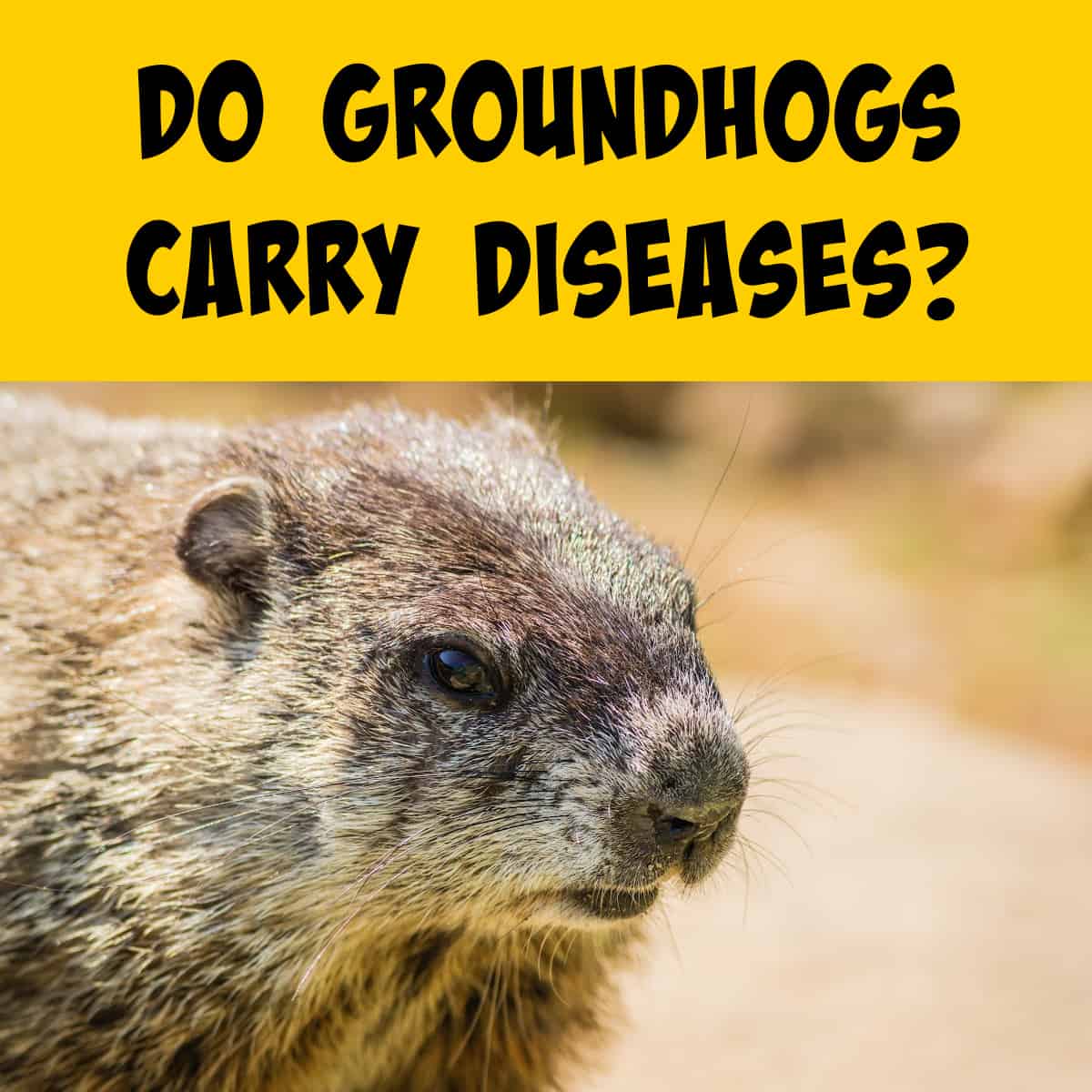
General Biology and Behavior of Groundhogs
Groundhogs are primarily herbivores and are part of the squirrel family. They often make their homes in open spaces, where they can dig extensive burrows. These burrows serve various purposes, from protection against predators to a place for hibernation during the colder months.
Their interactions with the environment and other animals play a significant role in their health and the potential transmission of diseases. Groundhogs, being curious by nature, often venture out of their burrows, coming into contact with various elements of their surroundings, including other wildlife and, occasionally, domestic pets.
Zoonotic Diseases: An Overview
Zoonotic diseases are those which can be transmitted from animals to humans. These diseases are particularly concerning as they bridge the gap between wildlife and human health, occasionally leading to outbreaks or epidemics.
Understanding the ways these diseases can spread is crucial. Transmission can occur through direct contact, bite wounds, ingestion of contaminated food or water, or even through vectors like ticks and mosquitoes.
Diseases Carried by Groundhogs
One of the most well-known diseases associated with groundhogs is rabies. Rabies is a viral disease affecting the central nervous system, leading to severe and often fatal symptoms. While any mammal can contract rabies, groundhogs, like raccoons and bats, are among the more common carriers. A bite from a rabid groundhog can transmit the virus to other animals or humans.
Another lesser-known but significant disease is the Woodchuck Hepatitis Virus (WHV). WHV is similar to the human hepatitis B virus. Although direct transmission to humans is rare, understanding this disease in groundhogs has helped researchers study its human counterpart.
Lastly, ticks that hitch rides on groundhogs can carry Lyme disease. While the groundhog itself isn’t directly responsible for transmitting Lyme disease, they can inadvertently introduce ticks into your yard, which can then bite humans or pets.
Preventing Transmission
To prevent potential health risks, it’s advisable to avoid close encounters or direct contact with groundhogs. Especially if the animal displays erratic behavior or appears sickly, it’s best to keep your distance.
Homeowners can take preventive steps such as fencing gardens or using repellents to deter groundhogs. Additionally, ensuring that domestic pets are vaccinated and regularly checked for ticks can further reduce the risk of disease transmission.
Handling and Reporting Sick Groundhogs
If you notice a groundhog that appears lethargic, aggressive, or unusually approachable, it might be a sign of illness. In such cases, avoid approaching the animal and alert local animal control or wildlife authorities.
It’s essential for the community’s safety that potentially sick animals are reported. The professionals can then handle the situation using safe and humane methods, ensuring the wellbeing of both the groundhog and the public.
Conclusion
While groundhogs are fascinating creatures and an integral part of North American wildlife, awareness of the potential diseases they carry is crucial.
With the right knowledge and precautions, we can safely enjoy observing these animals in their natural habitat, ensuring the health and safety of ourselves, our pets, and the groundhogs.
